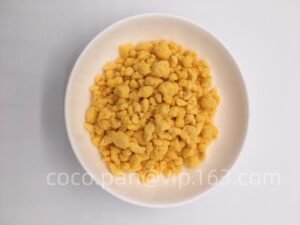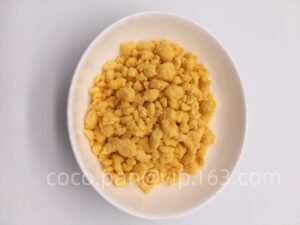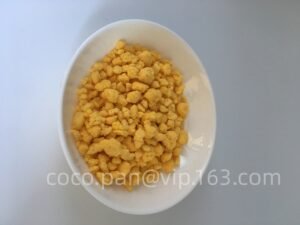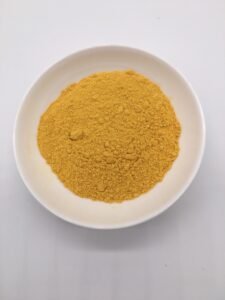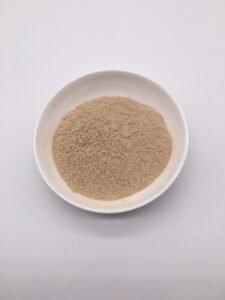
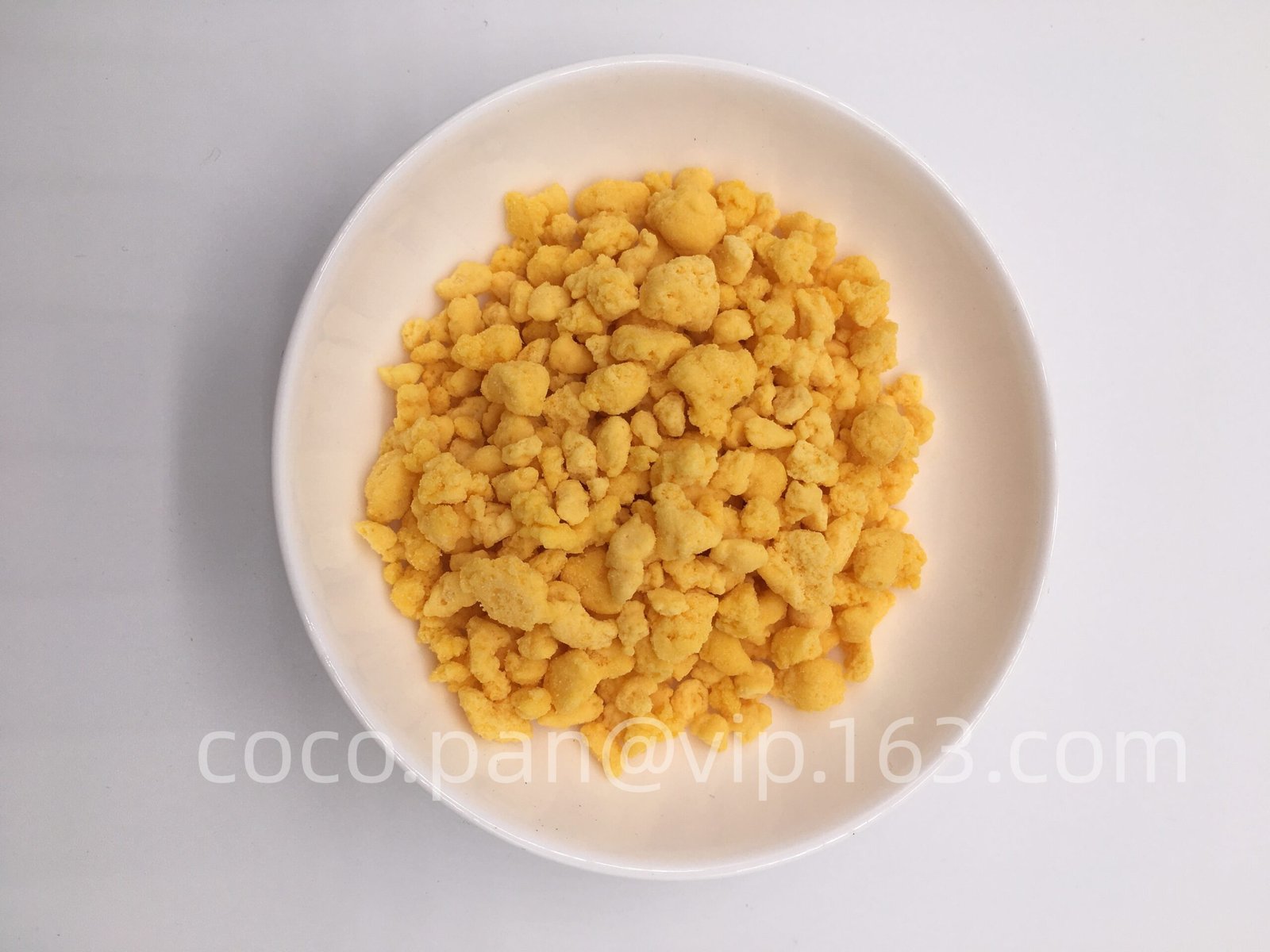
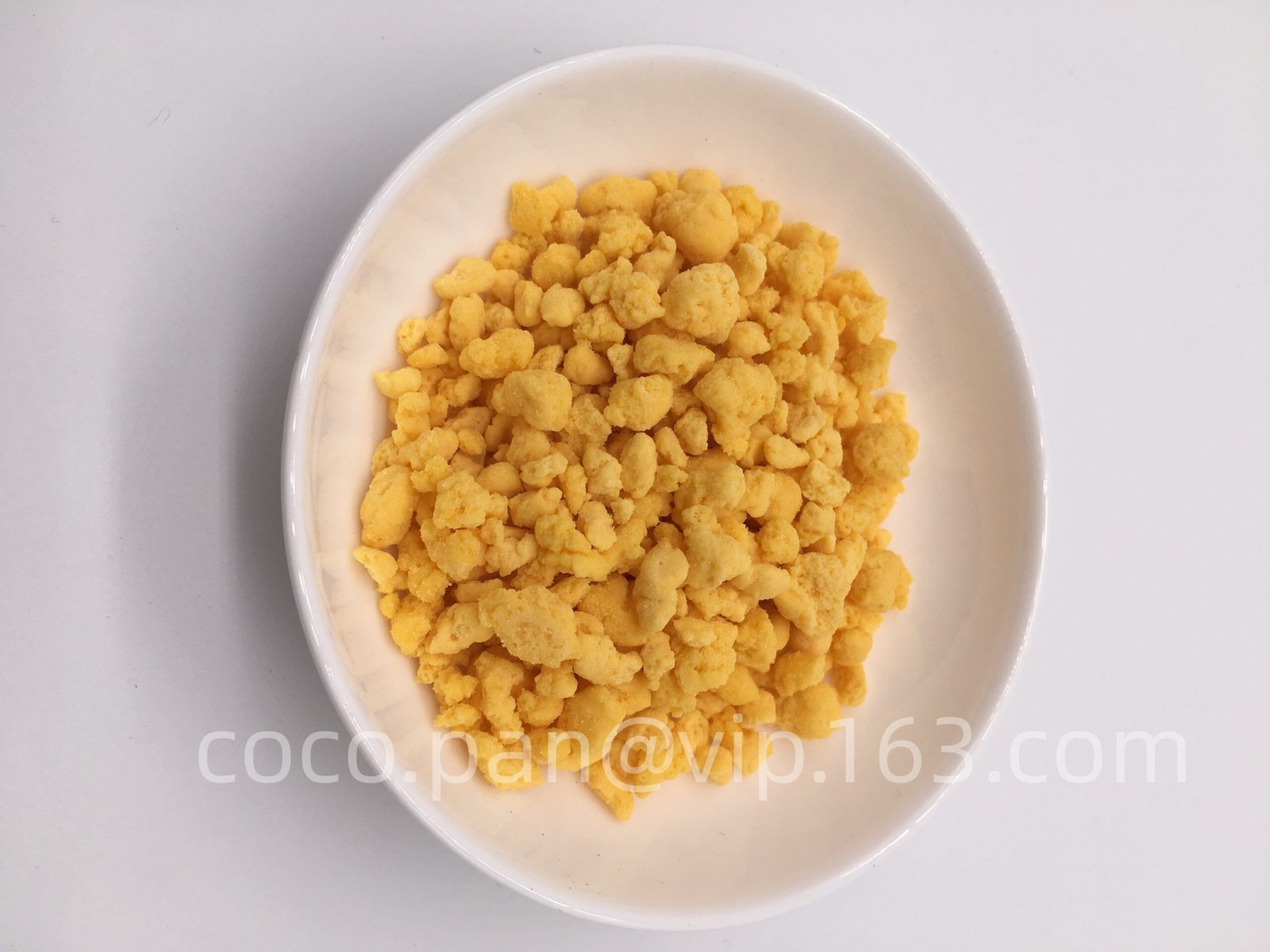
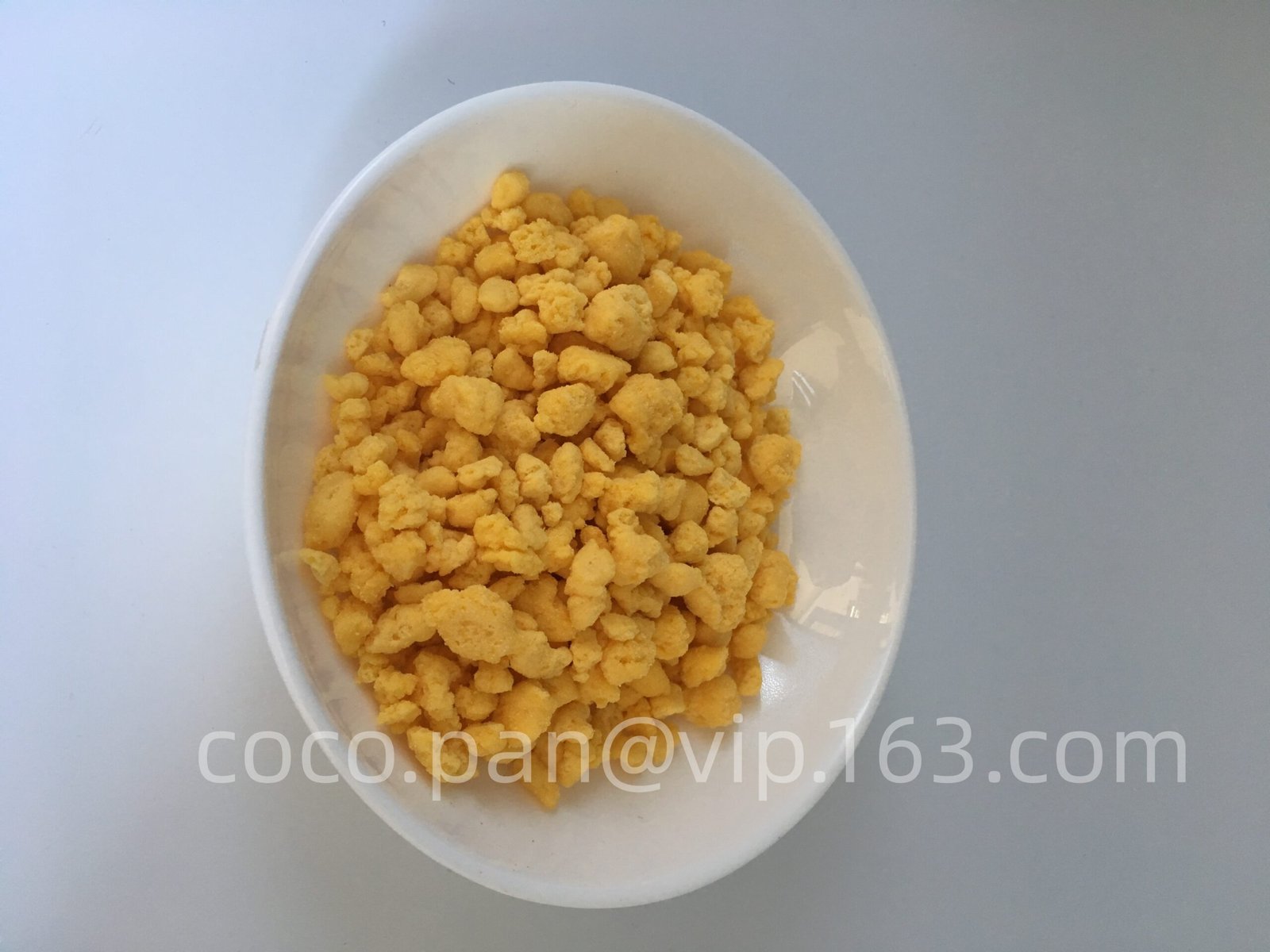
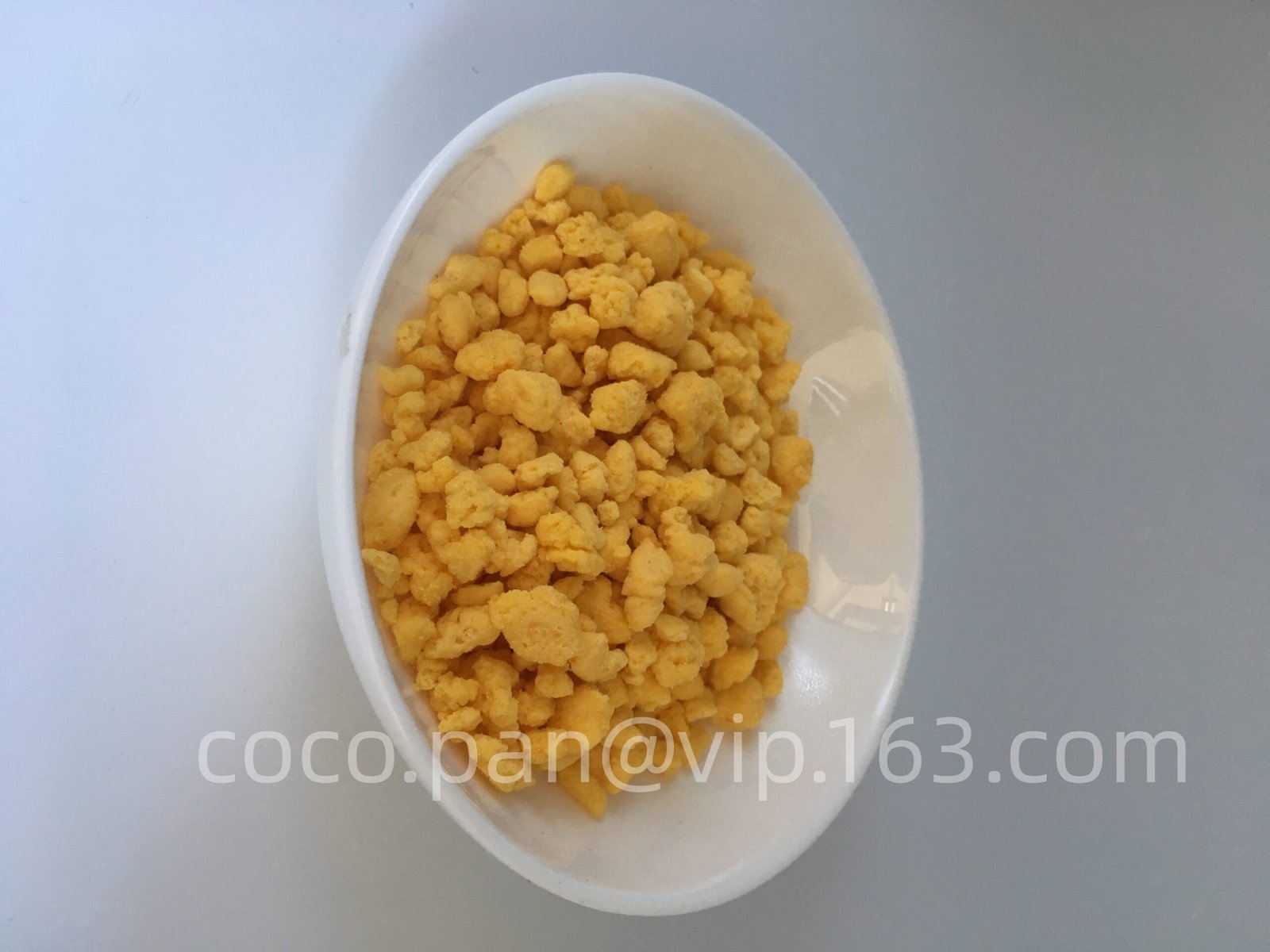
Egg granules are a dehydrated egg product made from fresh eggs through processes such as pasteurization, spray drying, and granulation. This process removes most of the moisture while preserving the natural nutrients, flavor, and functionality of eggs. Egg granules typically contain protein, essential amino acids, vitamins, and minerals that are naturally present in eggs. Compared with fresh eggs, egg granules offer a longer shelf life, easier storage, and convenient transportation.
The granulated form allows the product to dissolve quickly in water and blend well with other ingredients. It also reduces the risk of microbial contamination, making it suitable for industrial food production. Egg granules are commonly used in food processing because they provide stable quality and consistent performance in large-scale manufacturing.
Applications
Bakery Products
Egg granules are widely used in bakery products such as cakes, bread, biscuits, and pastries. They help improve texture, provide structure, and contribute to the golden color of baked goods. The proteins in egg granules also support emulsification and moisture retention during baking.Instant and Convenience Foods
Many instant foods, including instant noodles, ready-to-eat meals, and dehydrated soups, use egg granules as a convenient ingredient. The granules rehydrate quickly when mixed with hot water, providing egg flavor and nutritional value without the need for fresh eggs.Processed Food Manufacturing
Egg granules are suitable for large-scale food processing such as sauces, dressings, mayonnaise, and meat products. They function as an emulsifier and binding agent, helping to stabilize mixtures and improve product consistency.Catering and Food Service
Restaurants, catering companies, and institutional kitchens often use egg granules because they are easy to store and measure. The product reduces preparation time and minimizes waste compared with fresh eggs.Nutritional Food Products
Due to their high protein content, egg granules are also used in nutritional products such as protein mixes, fortified foods, and meal replacements. They provide a natural source of high-quality protein and essential nutrients.