
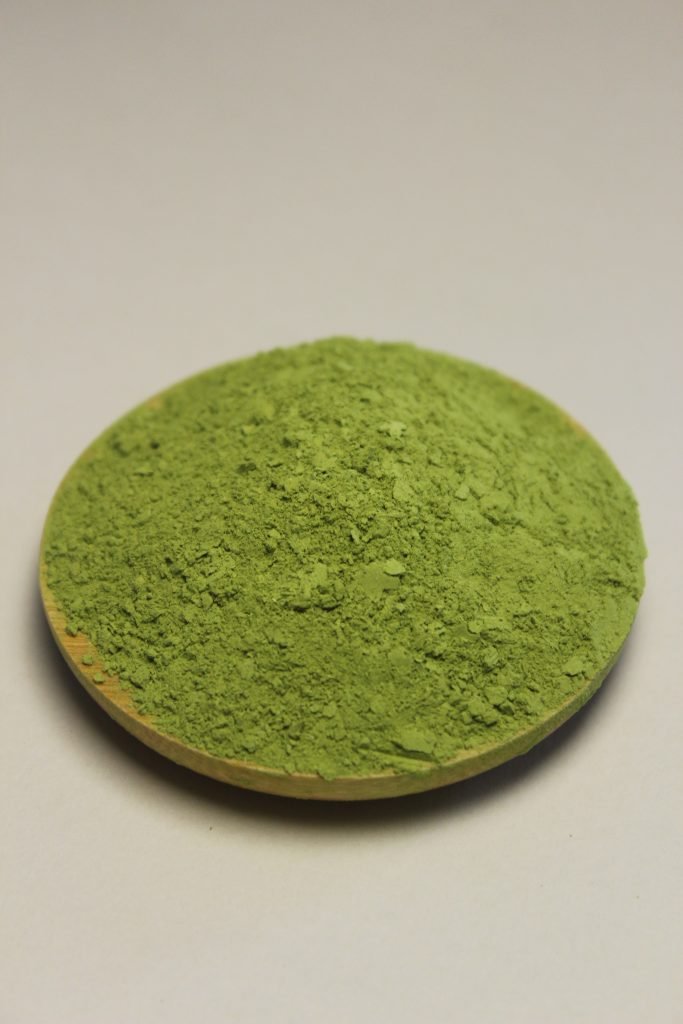
The history of matcha can be traced back to in the Wei and Jin dynasties of China, and its origin can be traced back to the record in Zhang Yi’s Guangya in the Wei Dynasty of the three States that “tea was picked between Jing and Ba to make cakes, and when drinking tea, the tea was cooked first, and then ‘mashed into porcelain'”, which can be regarded as the early trace of matcha. By the time of in the Tang Dynasty, people invented the tea making process of steaming green loose tea (grinding tea), and worked out the method of evaluating the color and flavor of tea. At this time, tea leaves were steamed green and formed tea balls or tea cakes, which was matcha of the Tang people. Matcha was very popular in the Tang Dynasty and spawned a series of tea sets and tea poems.
Matcha production technology was further developed in in the Song Dynasty, and the method of drinking tea was changed from brewing tea in the Tang Dynasty to ordering tea in the Song Dynasty. When ordering tea, it is necessary to grind the cake tea into powder, and then sieve the powder, and then add the tea into the paste, and finally carry out the “tea”, so that the “soup flower” in the cup. Tea grinding in the Song Dynasty used a tea mill, which required the tea leaves to be “powdery”, which is consistent with what is called matcha today.
The process of making matcha tea is extremely elaborate, including collecting young tea leaves in the spring, steaming them into cake tea and preserving them. When eating, first bake the cake tea on the fire to dry, then grind it into powder with a natural stone mill, pour it into the tea bowl and pour it into boiling water, whisk the tea in the bowl fully with the tea whisk, make it foam, and then drink.
The history of matcha not only has a deep cultural heritage in China, but also has been further developed and promoted in Japan. The modern matcha industry also has a wide range of applications in the global market, mainly for food additives, beverages and cosmeceuticals.