White Cabbage Product Introduction
White cabbage is a widely cultivated leafy vegetable known for its compact round head and pale green to white leaves. It has a crisp texture and a mild, slightly sweet flavor, making it suitable for a variety of culinary uses. Rich in dietary fiber, vitamin C, and antioxidants, white cabbage is valued for both its nutritional benefits and versatility.
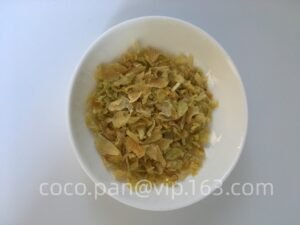
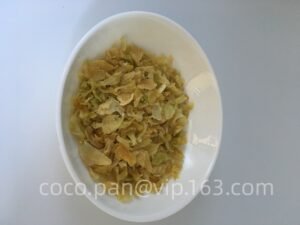
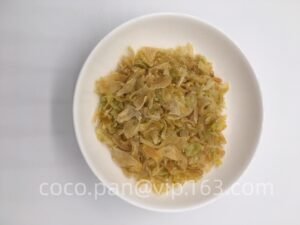
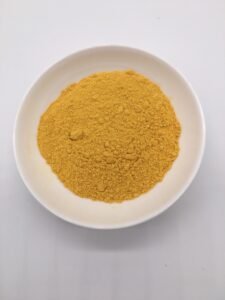
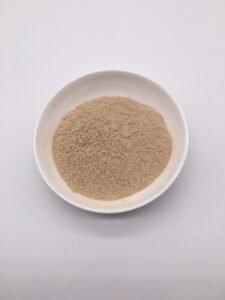
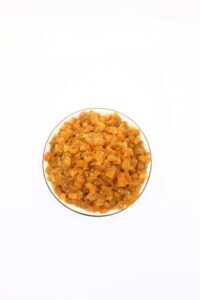
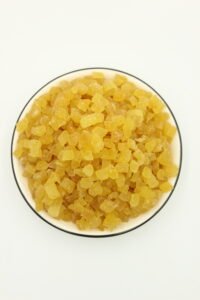
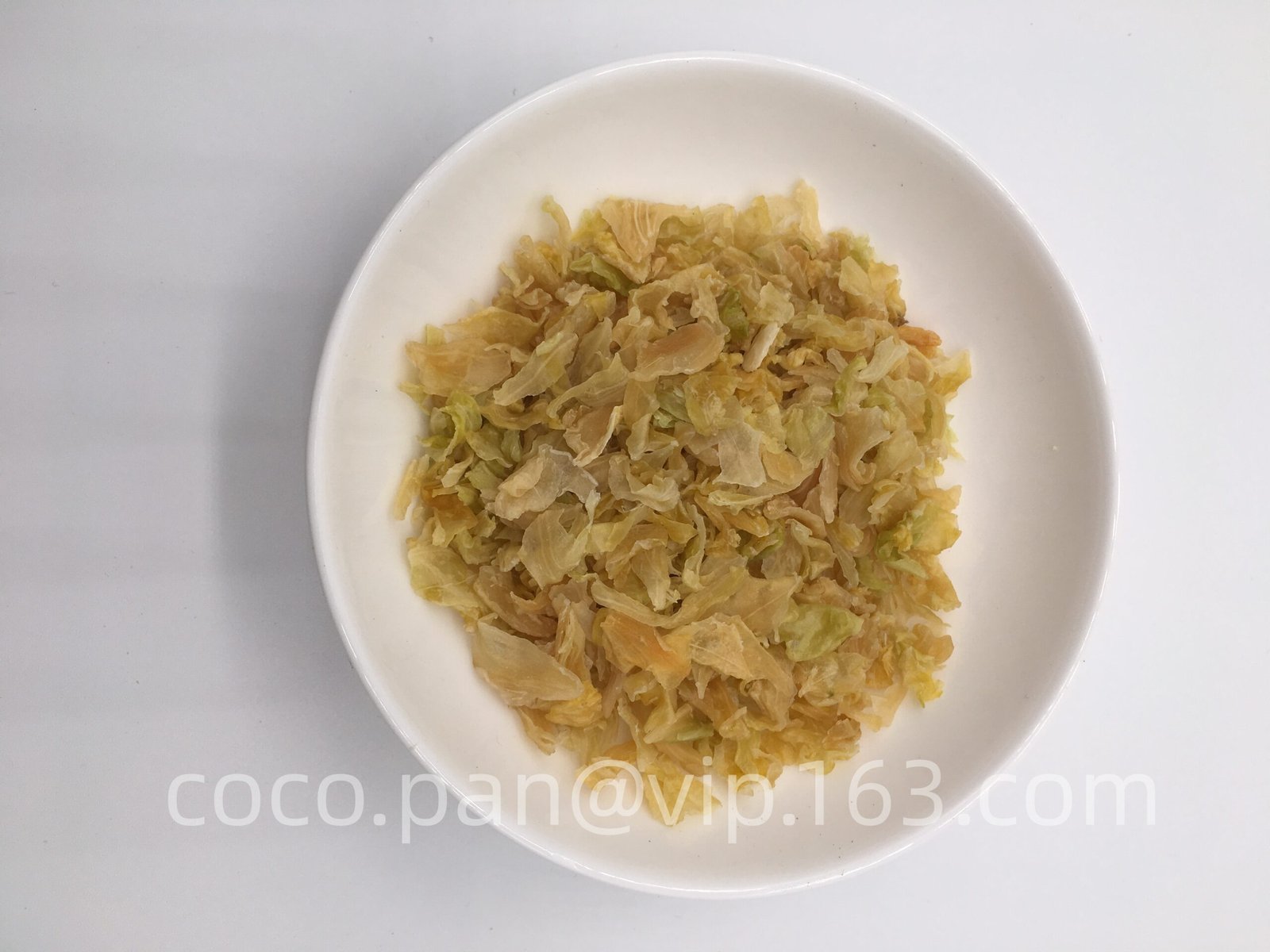
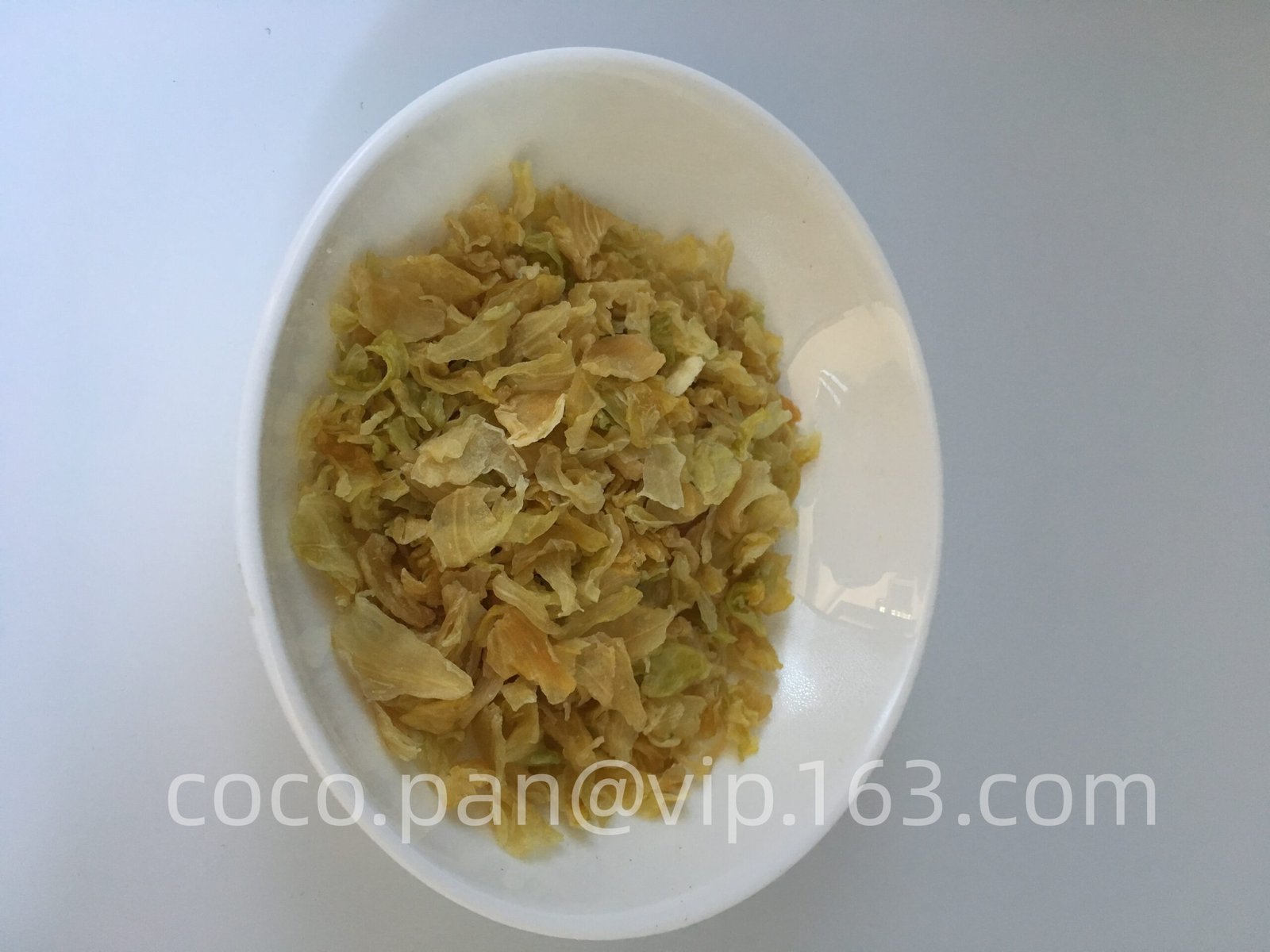
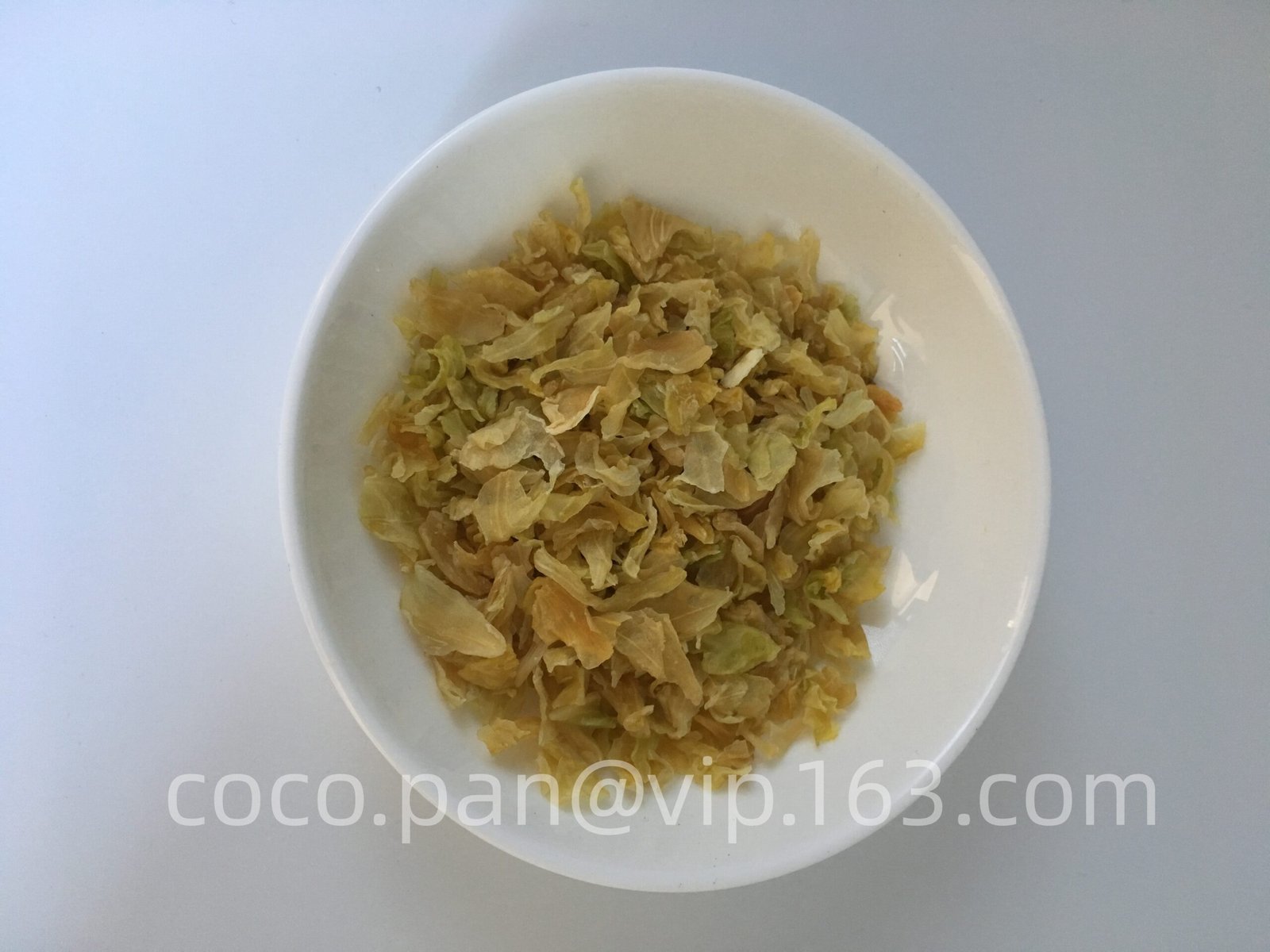
Fresh white cabbage can be consumed raw or cooked, while it can also be processed into dehydrated forms such as flakes, shreds, or powder for extended shelf life and convenient use. Due to its durability and adaptability, it is commonly used in both household kitchens and large-scale food production.
Product Features:
- Fresh, natural vegetable with no additives
- Crisp texture and mild flavor
- Rich in vitamins and fiber
- Suitable for fresh consumption or processing
- Available in fresh or dehydrated forms
Applications of White Cabbage
1. Fresh Salads and Coleslaw
White cabbage is commonly shredded and used in salads and coleslaw. Its crunchy texture adds freshness and structure to cold dishes.
2. Cooking: Stir-fries and Soups
It is widely used in stir-fried dishes, soups, and stews. White cabbage absorbs flavors well and becomes tender when cooked.
3. Fermented Foods
White cabbage is a key ingredient in fermented products such as sauerkraut and kimchi. Fermentation enhances its flavor and nutritional value.
4. Food Processing Industry
It is used in frozen foods, dehydrated vegetables, and ready meals. Processed forms like cabbage flakes are convenient for industrial use.
5. Healthy and Functional Foods
Due to its low calorie and high fiber content, white cabbage is often included in diet foods and health-focused recipes.